Yellowstone Alert: Countdown to the Apocalypse is engaged

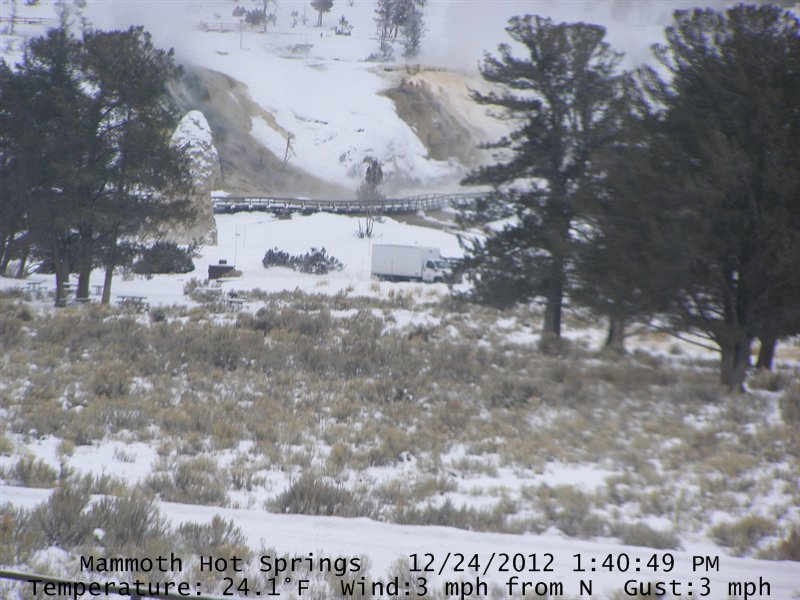
Cette photo de la fin de 2012,nous montre  le dégré élevé de la température sure le site.

This photo of the end of 2012, shows the high degree of temperature safe site.


At this time, the basement of the Yellowstone National Park stands at a record pace. In fact, it amounts to a rate of about three centimeters per year. The reason this is so concerned that the park is under the Yellowstone super- volcano – largest North American volcano. Scientists tell us that it is inevitable that between erupt again someday, and when that happens the devastation is almost unimaginable. Complete eruption of Yellowstone send a thick layer of volcanic ash up to 1,000 miles away, and it would make much of the United States uninhabitable. When most Americans think of Yellowstone, they tend to conjure up images of Yogi Bear and  » Old Faithful  » , but the truth is that sleeping under Yellowstone volcanic beast that could destroy our nation into a single day, and now the beast begins to awaken .
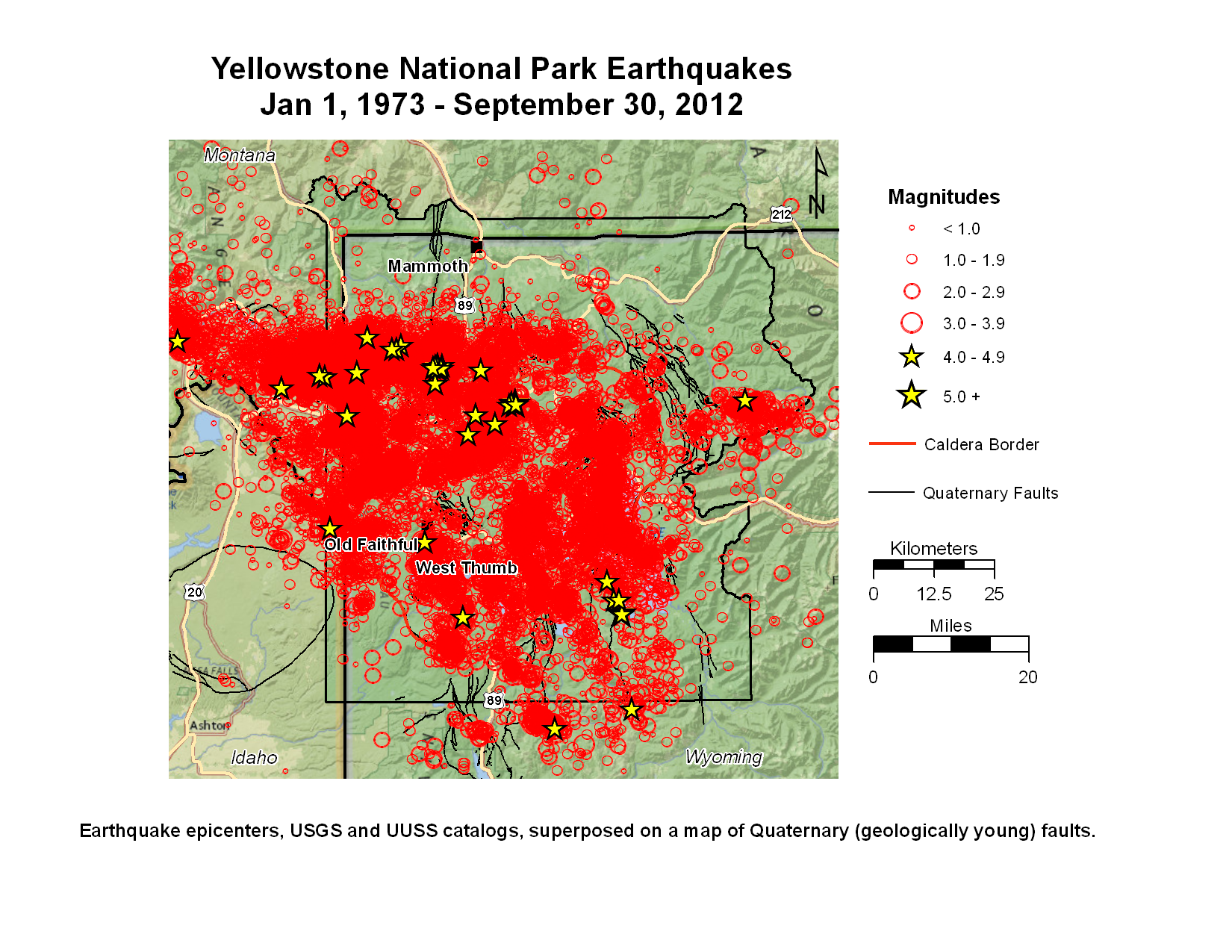
 

yel_USGS_UUSS_cursismic activ


The Yellowstone volcano is so vast that it is difficult to summarize in a few words. According to the Daily Mail, the pocket of magma beneath Yellowstone is about 300 miles wide …

The Yellowstone Caldera is one of the most impressive creations of nature and sits atop the largest volcanic field in North America.

Its name means « pot »  and it is formed when the earth collapsed following a volcanic explosion.

In Yellowstone, some 400 miles beneath the surface of the Earth is a « hot spot » of magma that rises to 30 miles underground before spreading over an area of ​​300 miles through the geological layers.

At the top, but always under the surface, is the dormant volcano that.

Délimitation géographique de la caldéra
Geographical limits of the caldeira.


When most Americans think of volcanic eruptions in the United States, they remember the catastrophic eruption of Mount St. Helens in 1980. But this eruption would not even worth comparing to a full eruption of the Yellowstone supervolcano.

And now, the area around Yellowstone is more seismically active. In fact, Dr. Bob Smith says he has never seen anything like it in the 53 years he watched Yellowstone …

Until recently, Bob Smith had never witnessed two successions of earthquakes simultaneously with its 53 years of monitoring seismic activity in and around the Yellowstone caldera.

Now Smith, a professor of geophysics at the University of Utah, saw three estates of both earthquakes.


La poussée du grand lac de lave sous la caldeira annonce  fort probablement la mort de notre civilisation.

The thrust of the large lava lake in the caldera announcement likely death of our civilization.


In September 2013, 130 earthquakes hit Yellowstone during a single week. This has made many observers extremely concerned about Yellowstone …

The last succession earthquakes in Yellowstone began on September 10 and trembled until about 11:30 on September 16

« A total of 130 earthquakes of magnitude 0.6 to 3.6 have occurred in these three areas, however, most have occurred in the lower Geyser Basin, » said a researcher from the University of Utah. « In particular much of the seismicity in Yellowstone is as swarms. « 


Les limites extrèmes de la grande caldeira.
The extreme limits of the Great caldeira.


So what’s the worst case scenario?

Well, according to the Daily Mail, a full eruption of Yellowstone could leave two-thirds of the United States completely uninhabitable …

If it had exploded, it would with a force more powerful than the Mount St Helens in 1980 thousand times.

While spewing its lava far into the sky, a cloud of toxic ash assassinate all the vegetation on the ground, in a movement range and everything would be covered by a good 10 feet in hot acid and layer depth of up to 1,000 miles there.


yellowstone-eruptions-passees


Two-thirds of the U.S. could become uninhabitable as toxic air sweep through it all , land and thousands of flights were canceled and millions of people were forced to leave their homes.

Can you think of another potential disaster that could do the same thing ?

That is why what is happening in Yellowstone right now is so important, and the American people deserve to know the truth. Here are some more explicit facts about Yellowstone that I compiled that I included in a previous article …

# 1 A large-scale eruption of Yellowstone could be up to 1000 times more powerful than the eruption of Mount St. Helens in 1980.

# 2 A large-scale eruption of Yellowstone could spewing volcanic ash up to 25 miles in the air.

# 3 The next eruption of Yellowstone seems to be getting closer with each passing year. Since 2004 , some areas of Yellowstone National Park increased by not less than 10 inches in height.

# 4 There are about 3,000 earthquakes in the Yellowstone region each year only.

5 In the case of a large-scale eruption of Yellowstone, almost all north -west of the United States will be completely destroyed.

# 6 A massive eruption of Yellowstone would mean that almost everything in a 100 mile radius of Yellowstone would be killed immediately.

# 7 A large-scale eruption of Yellowstone could potentially pour a layer of volcanic ash that is at least 10 feet in height up to 1000 miles away.

# 8 A full-scale eruption of Yellowstone could cover almost all of the Midwestern United States with volcanic ash. Food production in America is almost completely destroyed.

# 9 A  » volcanic winter  » would be caused by a massive eruption of Yellowstone , which could drastically cool the planet . Some scientists believe that global temperatures could drop to 20 degrees on a global scale .

# 10 America would never be the same after a massive eruption of Yellowstone. Some scientists believe a major eruption of Yellowstone would make two-thirds of the United States completely uninhabitable .

# 11 Scientists tell us that this is not a question of « if » Yellowstone will erupt , but « when » the next inevitable eruption will occur.
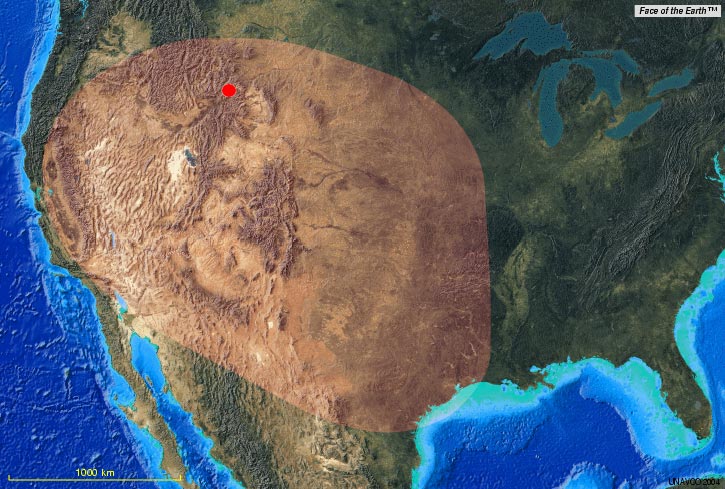
 

La surface recouverte par  plusieurs mètres  de cèdres lors des éruptions passées.
From the  eruptions of the pas,this complete surface was recover by many meters of ashes.


What makes all this even more alarming is that a number of other prominent volcanoes in the world are to go right now as well .

For example, an article of inquisiter in July 2013 describes how starting to become very active … and threatening  » the most dangerous volcano in Mexico ! »

 » The Popocatepetl volcano is erupting again . ‘s Active volcano near Mexico City to burst this morning again, spewing ash into the sky . « 

The volcano is currently in the midst of an extremely active phase. According to the International Business Times , the volcano recorded 39 exhalations in the past 24 hours.

An eruption earlier this month has caused several cancellations of flights in and out of Mexico City .

The BBC notes that officials have raised the alert yellow alert level after the eruption of Popocateptl Saturday morning. Yellow is the level of warning for third at seven-step scale of the city.

And an article by NBC News from August 2013 noted that one of the most dangerous volcanoes in Japan came erupting 500 times so far in this year 2013!

Ash floated as high as 3 miles above the volcano Sakurajima in the southern city of Kagoshima on Sunday afternoon , forming its highest since the plume Japan Meteorological Agency began keeping records in 2006. Lava flowed just over half a mile of the crack , and several huge volcanic rocks tumbled down the mountain.

Although the eruption was more massive than usual, the inhabitants of the city of about 600,000 inhabitants are accustomed to hearing the mood swings of their neighbor to 3,664 feet. Kagoshima officials said in a statement that the eruption was the 500th of Sakurajima in this year alone.
So what does all this mean?

We are now entering a period where volcanic eruptions become much more common in the world?

Could we be fast? Approaching the day … absolutely devastating volcanic eruption will cripple much of North America?

I hope not, because it could easily spell the end of the human race … a strong part , at least .


Michel Duchaine


Scandal Fukushima: TEPCO receives a masterful help while the victims wait for few

une catastrophe est en cours actuellement: les médias restent muets!


Here officially that the Japanese government has decided to help TEPCO and the Japanese people :

Committees disaster recovery Liberal Democratic Party in power ( PLD) and its coalition partner , New Komeito , presented a recovery plan in Fukushima Prime Minister Shinzo Abe on November 11, 2013, which suggests that the government change his plans for Fukushima evacuees to return home .

The plan, which aims to accelerate the recovery work around the crippled Fukushima No. 1 nuclear power plant , was presented by Tadamori Oshima, former vice president of the LDP and New Komeito Secretary General Yoshihisa Inoue, who both head the task in their respective parties ‘ forces and on restoring Fukushima.

The plan proposes a system of financial support for residents near the Fukushima plant to relocate , and also government spending to manage the temporary storage of radioactive waste. The move represents a departure from the policy of the government to have an operations manager on site or Tokyo Electric Power Co. (TEPCO ) to take responsibility for all costs, including those to pay compensation to victims decontaminate the affected areas and dismantling the Fukushima reactors (if possible). so we’re looking to blame the disaster, it is more important than the victims.

Eleven municipalities in Fukushima Prefecture are now divided into three zones based on the level of radioactive contamination : the areas where the annual dose exceeds 50 millisieverts whose return is difficult areas of life restrictions are in place (one level annual radiation exceeds 20 millisieverts , but no more than 50 millisieverts ) , and areas that are preparing to lift evacuation orders ( annual radiation levels up to 20 millisieverts ) .

Abe et Tepco

The plan suggests that evacuees receive government support from the first area , including the towns of Futaba and Namie , reinforced with compensation so they can relocate. He stated that the prospect of returning to their hometowns is unrealistic , even in the long term , and some residents began to seek a new life in different places .


Meanwhile, the working groups have suggested that the government prioritize decontamination work in areas where radiation levels are relatively low, and accelerate the reconstruction of medical institutions , and commercial complexes so that the residents of these areas will be able to return sooner.

However, the decontamination work in some areas has been largely unsuccessful . Even in areas that are preparing to lift evacuation orders , the average radiation dose can top the annual permissible level of 1 millisievert per year except that which exists in nature.

Plans to achieve a maximum dose of 1 millisievert per year is considered a  » long term goal  » , since the International Commission on Radiological Protection (ICRP ) states that radiation doses from 1 to 20 millisieverts per year is a  » range. « 

In addition , the task forces suggested that the government pays for the construction of an interim storage facility for waste contaminated with radiation (estimated to cost about 1 billion yen ), and the municipal and national governments perform decontamination , even after the cleaning plane in progress is completed .

As for TEPCO , the working groups have asked the company to be divided into separate companies to manage the decommissioning of the nuclear power plant Fukushima No. 1 .

Abe urged to help TEPCO to restart Fukushima from public funds

TOKYO ( Kyodo ) – Prime Minister Shinzo Abe pledged Monday to speed up the recovery of Fukushima from one of the worst nuclear crises in the world, as it has received a proposal from the ruling parties to ask the government to make a major change of policy on the use of public funds to this end .

Given the proposal, the government should spend the taxpayers’ money to fund a portion of the cleanup of radiation-contaminated outside the Fukushima Daiichi nuclear complex hit areas, therefore finance Tokyo Electric Power Co. to recover its bad management and it avoid bankruptcy.

To carry out the task unprecedented scrapping reactors suffered meltdowns , the proposal also addresses the need for the giant TEPCO have  » a clear organizational structure  » as a new business internally to charge of dismantling . So TEPCO will be able to erase the evidence of its shortcomings , while paying the tax payers .

After receiving the document lawmakers of the Liberal Democratic Party and its coalition ally the New Komeito party , Abe said : « The government will work with the parties in power in the dismantling of the plant and management water radioactive . « 

He also said that the government should « criteria » for those affected by the crisis to help them decide how to put their lives in order.

Recovery of communities affected by the nuclear accident area was low compared to those affected by the terrible earthquake and tsunami in March 2011 areas, but affected by the nuclear crisis that followed.

After massive radiation leaks , more than 140,000 people in the prefecture of Fukushima still living as evacuees and a research institute estimates that the cost of decontamination of areas in the prefecture could reach more than 5 billion yen.


300 tonnes métriques  d'eau  radioactive par jour.
300 tons of radiactive  water link each day.


The ruling parties have said in the proposal that the government should consider playing a role in the decontamination needs to restore infrastructure that could emerge after the current consolidation plans are implemented .

The government should also get funds to build temporary storage facilities to keep the radioactive soil and other waste products in decontamination efforts , they said.

Regarding designated as  » difficult to return to  » for at least six years after the accident because of high radiation level areas, the government should clarify how long it will take before people can return and improve support evacuees who want to leave their homes and start a new life , said the proposal.

The importance of achieving the decommissioning of the Fukushima plant and manage the accumulation of a huge amount of radioactive water was also noted in the proposal as a « fundamental principle  » to achieve the recovery of Fukushima.

But the document says TEPCO alone can not handle difficult tasks. The government should strengthen its control of the issue by reorganizing some of its panels load, while TEPCO should have a clear organizational structure to support the operation of Fukushima, he said.

While calls are among some politicians that the troubled company should be allowed to go bankrupt , an LDP lawmaker said that the document states that the company is already effectively under the control of the state should « take the sudden and hard work.  » So it keeps alive a corrupt , lax and deceptive business … to the public purse !

All this while a continuous radioactive water ( 300 metric tons per day ) volume escape into the Pacific Ocean.

Last year, TEPCO received a capital injection of 1 trillion yen from a rescue fund backed by the State to strengthen its financial position. The Facilitation Fund liability for nuclear damage has also provided more than 3 billion yen in compensation purposes , that TEPCO had urgent need to eventually repay the state.

La nature parle et elle soufre.
The nature talk ..and suffer.


MEANWHILE IN REALITY … on the waterfront

Japanese experts at the nuclear power plant was destroyed by a tsunami in 2011. None mentioned the problems of contamination of water discharged into the ocean.

An  » emergency  » . Still, Fukushima is in a  » state of emergency  » , according to Prime Minister Shinzo Abe . Of highly radioactive water pours off into the ocean from Japan ‘s rugged Central . The Japanese government estimated that each day , approximately 300 tons of contaminated water flowing into the Pacific. And assured that  » instead of trusting Tepco [ the plant operator ] , the government would take action . »

But there, not a word.  » I spoke to told me very little of the sea, but the considerable work done to treat the land , » said Hervé Mariton on Europe 1 .  » There is a program , apparently carried out with efficiency should allow a number of evacuees being occupied by their inhabitants regions, » he added , noting that « the challenge of the sea was quite obscured . « 

The Greenpeace organization provides , for its part, that  » Japanese experts mastered anything, they tinker . » A view shared by not really elected , who believes  » that the situation does not justify pessimism today. »

 There is no one who trusts the government Abe frame the truth to his advantage and diverts public funds to rescue incompetent .


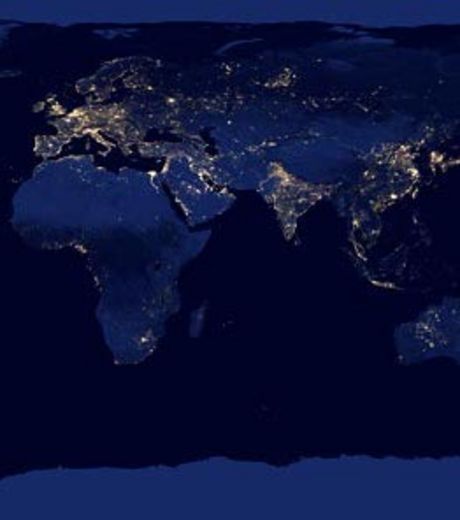
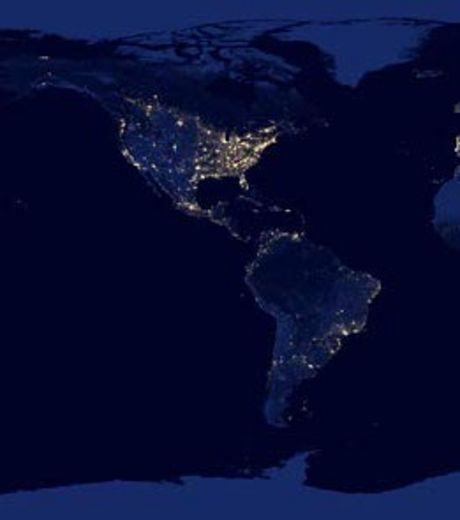
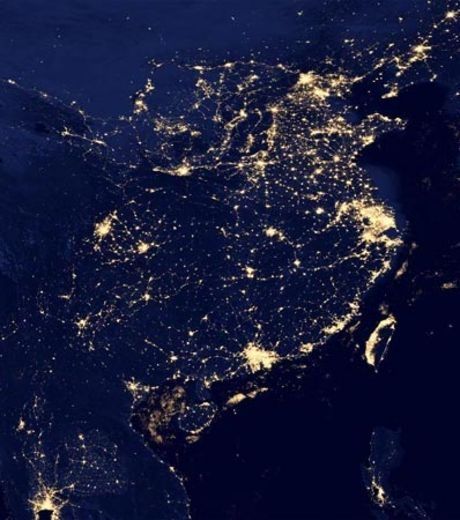
La beauté de notre Terre …la nuit

Une belle vue d'ensemble .
Une belle vue d’ensemble .L’océan Atlantique au centre.
De l'Europe jusqu'à l'Australie.
De l’Europe jusqu’à l’Australie.
Les deux Amériques...
Les deux Amériques…
La Chine...et l'Asie.
La Chine…et l’Asie.

Que dire de plus…comment on peut apprécier notre planète ,notre belle planète touchée au coeur par la folle démographie des humains de la Terre.

Ces photos  restent un témoignage d’une beauté empoisonnée…une admiration un peu loufoque ,mais réelle!

Que mon souhait de voir se perpétuer toutes les formes de vie en coexistence se réalise…continuons l’aventure humaine …en Paix!

S’il le faut:fuyons la Terre …laissons-la reprendre son souffle,car elle mérite un peu de repos.

Michel Duchaine

fondateur des Défenseurs de la Terre.

Économie- Les épargnants ne sont plus protégés en Europe

euros

Plus le temps passe, plus on doit se rendre à l’évidence : Chypre a constitué une répétition générale, l’expérimentation d’un plan qui sera reproduit ailleurs. La déclaration de Jeroen Dijsselbloem, le président de l’Eurogroupe, qui a parlé de « modèle », avant de se rétracter, s’avère donc vraie.

La Commission européenne, et plus spécialement Michel Barnier, le commissaire en charge des banques, prépare en effet une directive qui mettra à contribution les dépôts de plus de 100.000 euros en cas de sauvetage bancaire. L’intention de départ est louable puisqu’il s’agit de ne plus mettre à contribution les contribuables, mais cet argument ne constitue-t-il pas qu’un prétexte ?

La directive prévoit qu’en cas de faillite d’une banque, les pertes seront d’abord épongées par les propriétaires et les actionnaires, suivis des créanciers « juniors » et « seniors » puis, en troisième rang, les déposants au-dessus de 100.000 euros. C’est seulement si l’ensemble de ces contributions s’avérait insuffisante qu’interviendrait l’argent public, à travers le fonds de secours européen, le MES

Voilà pour la théorie, qu’en est-il concrètement ? Lorsqu’une banque affiche de mauvais résultats, les actionnaires en ont déjà payé le prix depuis longtemps ! Les grandes banques européennes ont déjà perdu environ 90% de leur valeur boursière depuis la crise ,(l’action  cotait 170 euros en 2006, 25 aujourd’hui, par exemple), il ne reste donc plus grand-chose de ce côté-là. Les créanciers ont également fait en sorte de partir. La seule vraie richesse qui reste, ce sont les comptes bancaires. Ils prendront donc sur eux l’essentiel de la ponction, il ne faut pas se faire d’illusion.

Mais les comptes de moins de 100.000 euros sont-ils bien à l’abri ? Certainement pas ! Il faut bien comprendre que les comptes bancaires chypriotes de moins de 100.000 euros ont été préservés parce que l’Europe et le FMI se sont engagés à apporter 10 milliards d’euros. Si la crise devait toucher un grand pays comme l’Espagne, l’Italie ou la  France, ce n’est pas 10 milliards mais plusieurs centaines qu’il faudrait mobiliser. Qui peut croire que cela sera fait ? Qui peut croire que l’Allemagne fera exploser son endettement pour sauver les comptes bancaires des Espagnols, des Italiens ou des Français ?

D’autant que ceux qui détiennent des comptes supérieurs à 100.000 euros vont se dépêcher de les vider pour les répartir sur plusieurs comptes, et leur nombre va diminuer comme neige au soleil. Cette directive va aussi favoriser le bank run dès les premiers signes sérieux de crise.

En refusant de s’attaquer aux grands oligopoles bancaires et à l’opacité de leur fonctionnement, à cette logique du too big to fail qui encourage l’irresponsabilité et qui  évite les questions gênantes. Cette directive constitue surtout un aveu d’impuissance, et les épargnants en paieront le prix.


Sources: https://fr.goldbroker.com/#1250


a Commission européenne, et plus spécialementMichel Barnier, le commissaire en charge des banques, prépare en effet une directive qui mettra à contribution les dépôts de plus de 100.000 euros en cas de sauvetage bancaire. L’intention de départ est louable puisqu’il s’agit de ne plus mettre à contribution les contribuables, mais cet argument ne constitue-t-il pas qu’un prétexte ?

La directive prévoit qu’en cas de faillite d’une banque, les pertes seront d’abord épongées par les propriétaires et les actionnaires, suivis des créanciers « juniors » et « seniors » puis, en troisième rang, les déposants au-dessus de 100.000 euros. C’est seulement si l’ensemble de ces contributions s’avérait insuffisante qu’interviendrait l’argent public, à travers le fonds de secours européen, le MES

Voilà pour la théorie, qu’en est-il concrètement ? Lorsqu’une banque affiche de mauvais résultats, les actionnaires en ont déjà payé le prix depuis longtemps ! Les grandes banques européennes ont déjà perdu environ 90% de leur valeur boursière depuis la crise (l’action Société Générale cotait 170 euros en 2006, 25 aujourd’hui, par exemple), il ne reste donc plus grand-chose de ce côté-là. Les créanciers ont également fait en sorte de partir. La seule vraie richesse qui reste, ce sont les comptes bancaires. Ils prendront donc sur eux l’essentiel de la ponction, il ne faut pas se faire d’illusion.

Mais les comptes de moins de 100.000 euros sont-ils bien à l’abri ? Certainement pas ! Il faut bien comprendre que les comptes bancaires chypriotes de moins de 100.000 euros ont été préservés parce que l’Europe et le FMI se sont engagés à apporter 10 milliards d’euros. Si la crise devait toucher un grand pays comme l’Espagne, l’Italie ou la France, ce n’est pas 10 milliards mais plusieurs centaines qu’il faudrait mobiliser. Qui peut croire que cela sera fait ? Qui peut croire que l’Allemagne fera exploser son endettement pour sauver les comptes bancaires des Espagnols, des Italiens ou des Français ?

D’autant que ceux qui détiennent des comptes supérieurs à 100.000 euros vont se dépêcher de les vider pour les répartir sur plusieurs comptes, et leur nombre va diminuer comme neige au soleil. Cette directive va aussi favoriser le bank run dès les premiers signes sérieux de crise.

En refusant de s’attaquer aux grands oligopoles bancaires et à l’opacité de leur fonctionnement, à cette logique du too big to fail qui encourage l’irresponsabilité et qui évite les questions gênantes. Cette directive constitue surtout un aveu d’impuissance, et les épargnants en paieront le prix.

Fantastica scoperta su Marte

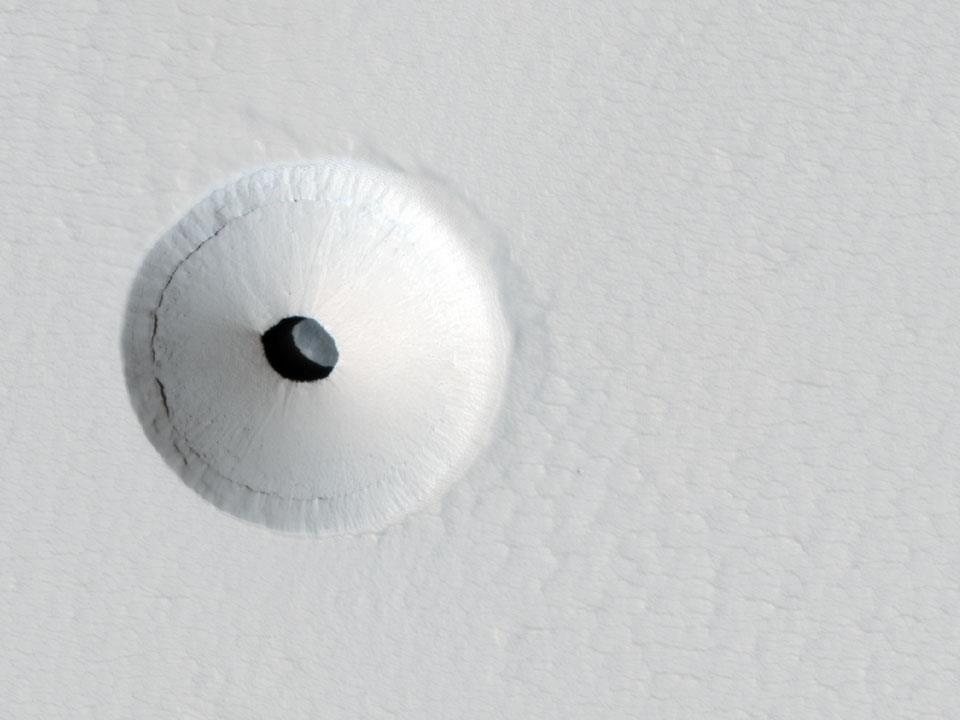
Hole in mars

Che cosa ha creato questo buco insolito a Mars? Il buco è stato scoperto per caso sulle immagini delle piste polverose di Marte Pavonis Mons vulcano ottenuta dallo strumento HiRISE a bordo del Mars Reconnaissance Orbiter robotico attualmente girando Marte. Il foro sembra essere un’apertura di una caverna sotterranea, in parte illuminato a destra dell’immagine. Analisi di questo e di follow-up di immagini ha rivelato l’apertura sia di circa 35 metri di diametro, mentre l’angolo di ombra interna indica che la caverna sottostante è di circa 20 metri di profondità. Perché non c’è un cratere circolare che circonda il buco rimane un argomento di speculazione, come è tutta la misura della caverna sottostante. Fori come questo sono di particolare interesse perché loro caverne interne sono relativamente protetti dalla superficie aspra di Marte, che li rende relativamente buoni candidati per contenere vita marziana. Questi pozzi sono quindi obiettivi primari per possibili futuri veicoli spaziali, robot e interplanetaria esploratori anche umano.


fonti: http://www.nasa.gov/ ,http://www.jpl.nasa.gov/ , http://hirise.lpl.arizona.edu/

Fantastic discovery on planet Mars

Hole in mars

What created this unusual hole in Mars? The hole was discovered by chance on images of the dusty slopes of Mars’ Pavonis Mons volcano taken by the HiRISE instrument aboard the robotic Mars Reconnaissance Orbiter currently circling Mars. The hole appears to be an opening to an underground cavern, partly illuminated on the image right. Analysis of this and follow-up images revealed the opening to be about 35 meters across, while the interior shadow angle indicates that the underlying cavern is roughly 20 meters deep. Why there is a circular crater surrounding this hole remains a topic of speculation, as is the full extent of the underlying cavern. Holes such as this are of particular interest because their interior caves are relatively protected from the harsh surface of Mars, making them relatively good candidates to contain Martian life. These pits are therefore prime targets for possible future spacecraft, robots, and even human interplanetary explorers.


Sources: http://www.nasa.gov/ ,http://www.jpl.nasa.gov/ ,http://hirise.lpl.arizona.edu/

Alerte majeure sur Fukushima: extrème remontée du niveau de radioactivité

une catastrophe est en cours actuellement: les médias restent muets!

Catastrophique. Les dernières nouvelles provenant de Fukushima sont très alarmantes… Lisez plutôt…

Les niveaux de radioactivité multipliés par 6 500 en 24 heures à Fukushima
Nullement l’on ne parle du typhon qui vient de frapper la centrale de plein fouet, pourtant…
Les niveaux de radioactivité dans un puits à proximité d’un réservoir de stockage de la centrale nucléaire de Fukushima ont énormément augmenté ce jeudi, suivant ce qui a été signalé par Tepco. Les fonctionnaires de la Tokyo Electric Power Company (TEPCO) a déclaré vendredi qu’ils ont détecté 400.000 becquerels par litre de substances radioactives émettrices de rayons bêta – y compris du strontium – sur le site, un niveau 6.500 fois plus élevé que les lectures prises le mercredi, a rapporté NHK World. Une fuite du réservoir de stockage a libéré plus de 300 tonnes d’eau contaminée, en Août, dont une partie est soupçonnée d’avoir atteint la mer via un fossé. Le puits en question se trouve à environ 10 mètres de la cuve et a été creusé afin d’évaluer les fuites. TEPCO a déclaré que les résultats montrent que des substances radioactives comme le strontium ont atteint la nappe phréatique. Des niveaux élevés de tritium qui se répand beaucoup plus facilement dans l’eau que le strontium, avaient déjà été détectés. Les responsables de TEPCO ont expliqué qu’ils vont retirer la terre contaminée autour de la cuve de stockage pour contrôler les niveaux de radioactivité de l’eau autour du puits.
Fukushima: Le gouvernement appelle à l’aide internationale
bigstockHelpL’enjeu: rassembler les techniques les plus adéquates pour le retrait du combustible fondu…Le gouvernement japonais va lancer un appel international à propositions afin de rassembler les techniques les plus adéquates pour le retrait du combustible fondu de trois réacteurs de la centrale accidentée de Fukushima, a indiqué jeudi un responsable à l’AFP. En août a été créée une structure dédiée au développement des moyens techniques nécessaires pour démanteler quatre des six réacteurs de ce complexe atomique ravagé par le tsunami du 11 mars 2011.
Placé sous la tutelle du ministère de l’Industrie, l’Institut international de recherche et développement pour le démantèlement (Irid) doit émettre l’appel à propositions «le plus vite possible», vraisemblablement vers la mi/fin novembre, et devenir le guichet pour les interlocuteurs étrangers. Récupération du combustible «Il s’agit cette fois de trouver des techniques de récupération du combustible fondu autres que celle qui est actuellement envisagée avec une grue dans les réacteurs emplis d’eau», a précisé ce responsable.La durée de l’appel n’est pas encore définie, selon la même source. Cette même organisation a déjà lancé en septembre une autre consultation internationale pour des moyens divers afin de venir à bout des différents problèmes d’eau radioactive rencontrés à Fukushima Daiichi et que la compagnieTokyo Electric Power (Tepco) ne parvient pas à résoudre, même avec l’aide du gouvernement. La date-limite pour les réponses est fixée au 23 octobre. Des dizaines de propositions auraient déjà été rassemblées. «Nous avons des missions de prospection notamment dans trois pays, la France, les Etats-Unis et la Grande-Bretagne», a aussi détaillé le responsable. Les autorités japonaises ont déjà à plusieurs reprises indiqué qu’elles entendaient impliquer les industriels internationaux dans le chantier d’assainissement qui doit durer environ quatre décennies.

D’autres parts:

La radioactivité β des eaux souterraines multipliée par 6 557 après le passage du typhon : 400 000 000 Bq/m³ – record absolu


La radioactivité β et celle du tritium des eaux souterraines proches de la citerne des 300 m³ a franchi un palier après le passage du typhon.

Le 17 octobre 2013, la radioactivité β était à 400 000 000 Bq/m³ (400 millions).
Le 15, elle était à 90 000 Bq/m³ et le 16 elle était à 61 000 Bq/m³ (moins de 100 000).

En outre, ce même 17 octobre, la radioactivité en tritium est à 790 000 000 Bq/m³ (790 millions).
Le 15, elle était de 260 000 000 Bq/m³ (260 millions).
Les deux relevés sont des records absolus.

Voir les sources et traduire du japonais (utiliser Google translate)

http://www.tepco.co.jp/cc/press/2013/1231533_5117.html

http://www.tepco.co.jp/nu/fukushima-np/f1/smp/2013/images/around_h4_13101803-j.pdf

Autres sources: Fukushima Diary ,Cèdre Thugscave,divers  médias alternatifs.

AUTRES ARTICLES RELATIFS AU MÊME SUJET:

Dernier article sur le sujet: http://atomic-temporary-14961841.wpcomstaging.com/2013/10/24/troisieme-alerte-majeure-fukushimail-y-a-eu-effondrement-et-affaissement-du-au-dernier-typhoon-aucun-communique-de-presse/

http://atomic-temporary-14961841.wpcomstaging.com/2013/10/12/alerte-fukushima-mise-a-jour-importante-lhumanite-en-danger-de-mort-imminente/

http://atomic-temporary-14961841.wpcomstaging.com/2013/10/17/alerte-fukushima-no-2sous-la-centrale-se-forme-un-marecage-radioactif/

http://atomic-temporary-14961841.wpcomstaging.com/2013/10/14/alerte-fukushima-rien-nempeche-la-fuite-radioactive-dempoisonner-locean-pacifique/

http://atomic-temporary-14961841.wpcomstaging.com/2013/10/14/fukushima-des-tonnes-deau-radioactive-se-deversent-dans-locean-pacifique-malgre-les-revendications-gouvernement-japonais/

See the truth :video about 100,000 more deaths since Fukushima,in 2011


Alfred Lambremont Webre exposing the truth.


Take the time to see this  great exposure!